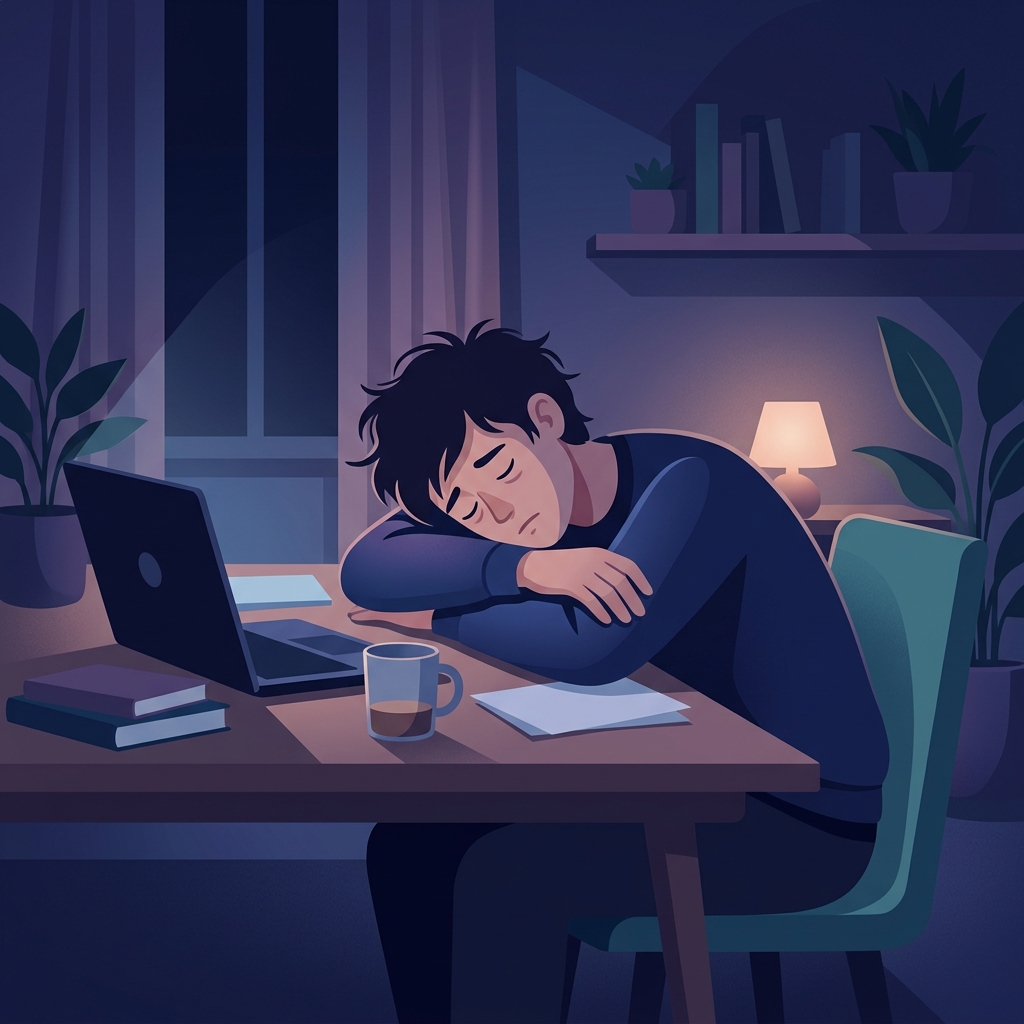
Understanding Burnout vs. Everyday Stress: Recognizing the Signs
Waking up tired on a Monday, getting frustrated over a tight deadline, or feeling relieved at the end of an exhausting workday. We all go through it. That is stress.
But what happens when the weekend isn't enough to recharge your batteries? What if you start caring less and less about projects you once loved? That is where the line between everyday stress and Burnout begins to blur.
Stress vs. Burnout: The Core Difference
The easiest way to understand the difference is to look at the direction of your emotions:
- Stress is about TOO MUCH: Too many demands, too much pressure, emotions running high. Stressed people often think: "If I can just get everything under control, I'll be fine." They still have hope.
- Burnout is about NOT ENOUGH: Lack of energy, lack of emotion, lack of motivation. People experiencing Burnout feel empty, cynical, and have a profound sense of: "It doesn't matter what I do, nothing will change."
Stress makes you feel "drowning" in responsibilities. Burnout makes you feel completely "dried up."
The 3 Classic Signs of Burnout
The World Health Organization (WHO) recognizes Burnout as an occupational phenomenon and categorizes it into three main dimensions:
1. Profound Physical and Emotional Exhaustion
It's not just being tired; it's waking up already drained. Your body may manifest physical symptoms such as constant headaches, gastrointestinal problems, or drastic changes in appetite and sleep.
2. Cynicism and Detachment (Depersonalization)
You begin to isolate yourself from colleagues. Where there used to be empathy or interest in the team's work, there is now irritation, pessimism, and a sense of emotional detachment. You work on "autopilot."
3. Sense of Ineffectiveness
You feel like you're not producing anything of value. Even when you receive praise, Imposter Syndrome screams in your mind. The feeling of professional accomplishment disappears.
Why Is It So Hard to Notice?
Burnout doesn't happen overnight. It's a slow climb. Like the frog in boiling water, people often get used to increasing levels of exhaustion until their body or mind collapses.
The Role of the Emotional Diary
Preventing Burnout requires self-awareness. Because you don't notice the change from one day to the next, you need data over time to spot the downward trend.
This is exactly why the EaseMind Emotional Diary was created. By doing quick daily check-ins (during the morning or evening), the app maps your moods and detects patterns.
The AI assistant, Luna, can notice if your most used word in the last two weeks went from "Tired" to "Apathetic" and "Hopeless"—a classic red flag. In these moments, EaseMind intervenes, suggesting immediate breaks, cognitive reframing exercises, or directing you to specialized human support.
Don't wait for the pot to boil. Start tracking your emotional health today and build a sustainable routine. Your future self will thank you.
Apoio emocional na palma da mão
Baixe o EaseMind e conte com a Luna para te guiar em momentos de estresse ou ansiedade.
Acessar o App Web